During the Punic Wars, Scipio Africanus rose to fame. His family had many enemies and were quite controversial. But was he the same as the rest of them?
Translate: "Während der Punischen Kriege erlangte Scipio Africanus Ruhm. Seine Familie hatte viele Feinde und war ziemlich umstritten. Aber war er derselbe wie der Rest von ihnen?" Might adjust grammar: "Aber war er derselbe wie die anderen?" We'll keep close. Next paragraph with emphasis:Scipio Africanus was great Roman general. After being falsely accused of corruption, he was sent into exile. Before his death, he refused to be buried in Rome and ordered that his tombstone read: “Ungrateful fatherland, you will not even have my bones.”
We need to translate the text inside tags. Also note the HTML entities for quotes. We'll translate the quote. So: "Scipio Africanus war ein großer römischer General. Nachdem er fälschlicherweise der Korruption beschuldigt wurde, wurde er ins Exil geschickt. Vor seinem Tod weigerte er sich, in Rom begraben zu werden und befahl, dass sein Grabstein lautet: „Undankbares Vaterland, du wirst nicht einmal meine Knochen haben.“" We need to preserve tags: ... then ... . The first part ends before "buried". Actually original: Scipio Africanus was great Roman general. After being falsely accused of corruption, he was sent into exile. Before his death, he refused to be buried in Rome and ordered that his tombstone read: “Ungrateful fatherland, you will not even have my bones.” So the first part ends with "refused to be ". Then second part includes "buried in Rome and ordered that his tombstone read: “Ungrateful fatherland, you will not even have my bones.”" Thus translation: first part: "Scipio Africanus war ein großer römischer General. Nachdem er fälschlicherweise der Korruption beschuldigt wurde, wurde er ins Exil geschickt. Vor seinem Tod weigerte er sich, " (ends with comma). Then second part: "in Rom begraben zu werden und befahl, dass sein Grabstein lautet: „Undankbares Vaterland, du wirst nicht einmal meine Knochen haben.“" We need to keep tags accordingly. Next heading:About Scipio Africanus
Translate to "Über Scipio Africanus". Keep class attribute. Next paragraph:According to documentation, Scipio Africanus was born by Caesarean section around 236 BC. Though there have been debate on the year of his birth.
Translate: "Laut Dokumentation wurde Scipio Africanus etwa 236 v. Chr. per Kaiserschnitt geboren. Allerdings gibt es Diskussionen über das Geburtsjahr." Next paragraph:He comes from a long line of consuls and was destined to be one too. He was the son of consul Publius Cornelius Scipio and Pomponia. (Source: Heritage History)
Translate: "Er stammt aus einer langen Reihe von Konsuln und war ebenfalls dazu bestimmt, einer zu werden. Er war der Sohn des Konsuls Publius Cornelius Scipio und von Pomponia. (Quelle: Heritage History)" Keep link unchanged. Next heading:Scipio Africanus in the Military
Translate: "Scipio Africanus im Militär" Next paragraph:Scipio joined the Roman army on the first year of the Second Punic War, at this time his father was consul. During the Batter of Ticinus, he was able to save his father’s life by charging against the enemy alone.
Translate: "Scipio trat im ersten Jahr des Zweiten Punischen Krieges in die römische Armee ein, zu dieser Zeit war sein Vater Konsul. Während der Schlacht von Ticinus konnte er das Leben seines Vaters retten, indem er allein gegen den Feind anstürmte." Note "Batter" is typo; we translate as "Schlacht". Keep apostrophe entity ’ becomes ’ in output? We can keep as ’ or entity. We'll just write ’. Next paragraph:He survived the Battle of Cannae he took charge of 10,000 survivors alongside Appius Claudius Pulcher. On hearing that there were several nobles considering to leave Rome and serve another King, Scipio stormed in the meeting and forced everyone to swear that they would not abandon Rome. (Source: Heritage History)
Translate: "Er überlebte die Schlacht von Cannae, übernahm zusammen mit Appius Claudius Pulcher die Führung über 10.000 Überlebende. Als er hörte, dass mehrere Adlige darüber nachdachten, Rom zu verlassen und einem anderen König zu dienen, stürmte Scipio in die Versammlung und zwang alle, zu schwören, dass sie Rom nicht verlassen würden. (Quelle: Heritage History)" Note meta tag remains. Next heading:Scipio Africanus in Politics
Translate: "Scipio Africanus in der Politik" Next paragraph:Needless to say, Scipio was very loyal to Rome. He ran for aedilis curulis in 213 BC. The Tribunate of the Plebs were not too happy about this that they objected his candidacy, saying he was too young. But the people knew of Scipio’s bravery and patriotism that it was unanimously won the election and the Trib of the
Es gibt Verdachtsmomente bezüglich der Umstände seines Todes. Es könnte sein, dass er an den Nachwirkungen einer Krankheit litt, die er während seines Wahlkampfs aufgeschnappt hatte, oder dass er sein eigenes Leben nahm. Wie auch immer, er verlangte, dass seine Leiche außerhalb von Rom beigesetzt wird. Er nannte sie eine undankbare Stadt.
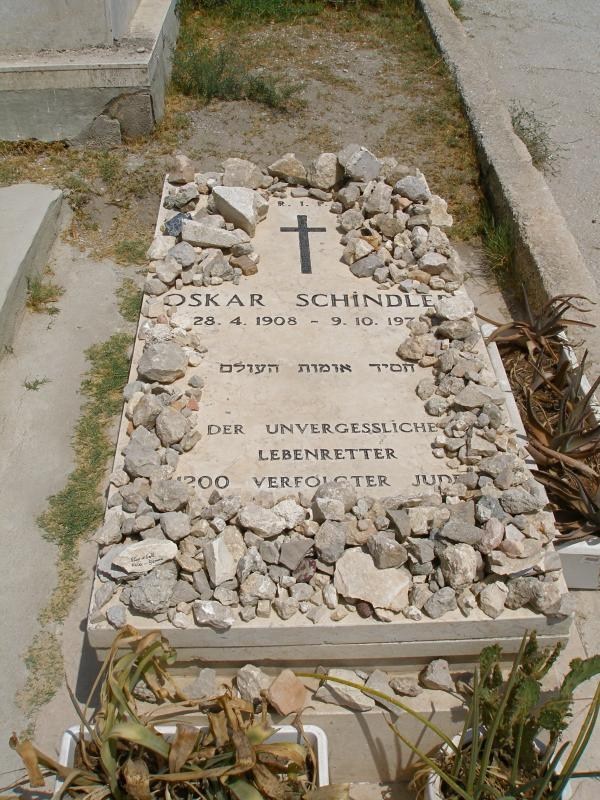
Er befahl, dass seine Grabinschrift lautet: Ingrata patria, ne ossa quidem habebis. Das bedeutet wörtlich: Undankbares Vaterland, du wirst nicht einmal meine Knochen haben. (Quelle: Heritage History)