We need to translate the HTML content from English to Italian, preserving tags. Return only the translated HTML. Ensure all text is translated, including alt text? There's no alt. Keep tags like
, , ,

,
, , . Also keep the style attribute unchanged. We need to translate the content inside tags, but not URLs. Also keep HTML entities like ’ etc. Should we keep them? The original uses HTML entities for apostrophe. We can keep them as is, but translate the text. For apostrophes in Italian, we can keep same entity. We'll translate. Let's translate paragraph by paragraph. Original first paragraph:

Dr. Seuss’ book, which was first published in 1937, launched Theodor Geisel’s career as Dr. Seuss. He wrote and published over 60 books, which have sold over 700 million copies worldwide, making him one of the world’s most enduringly popular children’s book authors. But did you know how Dr. Seuss’s books got published?

Translate: "Il libro di Dr. Seuss, pubblicato per la prima volta nel 1937, lanciò la carriera di Theodor Geisel come Dr. Seuss. Scrisse e pubblicò oltre 60 libri, che hanno venduto più di 700 milioni di copie in tutto il mondo, rendendolo uno degli autori di libri per bambini più popolari e duraturi al mondo. Ma sapevi come sono stati pubblicati i libri di Dr. Seuss?" Keep apostrophe entity. Second paragraph:

The first book by Dr. Seuss, “And to Think That I Saw It on Mulberry Street,” was rejected by 27 publishers. He planned to burn the book, but he ran into an old friend who had recently become a children’s book editor and asked to look at it and publish it.

Translate: "Il primo libro di Dr. Seuss, “And to Think That I Saw It on Mulberry Street”, fu rifiutato da 27 editori. Aveva intenzione di bruciare il libro, ma incontrò un vecchio amico che era recentemente diventato editore di libri per bambini e gli chiese di guardarlo e pubblicarlo." Note: keep the quotes “ and ”. Third:

The Story Behind Dr. Seuss’ Book

Translate: "La storia dietro il libro di Dr. Seuss". Keep strong. Next paragraph:

Before Theodor Geisel, better known as Dr. Seuss, rocked the culinary world with green eggs and ham or put a red-and-white striped top hat on a talking cat, he was stuck on a boat returning from a trip to Europe.

Translate: "Prima che Theodor Geisel, più noto come Dr. Seuss, conquistasse il mondo culinario con uova e prosciutto verdi o mettesse un cilindro a righe rosse e bianche su un gatto parlante, era bloccato su una barca che tornava da un viaggio in Europa." Next:

He sat for eight days, listening to the ship’s engine chug away. The sound became ingrained in his mind, and he began writing to the beat. Those rhythmic lines in his head eventually became his first children’s book, “And To Think That I Saw It on Mulberry Street.”

Translate: "Rimase seduto per otto giorni, ascoltando il motore della nave che ronzzava. Il suono si radicò nella sua mente e iniziò a scrivere al ritmo. Quelle linee ritmiche nella sua testa divennero alla fine il suo primo libro per bambini, “And To Think That I Saw It on Mulberry Street”." Next:

Dr. Seuss had a difficult time selling the bittersweet story to publishers. Geisel told his friend that he had been... etc

Original: "Dr. Seuss had a difficult time selling the bittersweet story to publishers. Geisel told his friend that he had given up and intended to destroy the book, but the editor asked to see it." Translate: "Dr. Seuss ebbe difficoltà a vendere la storia agrodolce agli editori. Geisel disse al suo amico che aveva rinunciato e intendeva distruggere il libro, ma l'editore gli chiese di vederlo." Next blockquote:

It was rejected 27 times. He bumped into a friend who had just become an editor at a publishing house in the children’s section,

Guy McLain, Springfield Museum
Translate: "È stato rifiutato 27 volte. Ha incontrato per caso un amico che era appena diventato editore in una casa editrice nella sezione per bambini," Keep citation. Next paragraph:

McLain has become a local Dr. Seuss expert. Mulberry Street, he claims, might never have been published if it hadn’t been for a chance encounter Geisel had one day while walking home in New York City.

Translate: "McLain è diventato un esperto locale di Dr. Seuss. Mulberry Street, afferma, potrebbe non essere mai stata pubblicata se non fosse stato per un incontro casuale che Geisel ebbe un giorno mentre tornava a casa a New York City." Next blockquote:

He said if he had been walking down the other side of the street, he probably would never have become a children’s author.

Guy McLain, Springfield Museum
Translate: "Disse che se avesse camminato dall'altro lato della strada, probabilmente non sarebbe mai diventato un autore di libri per bambini." Next paragraph:

In 1937, the book was published. It received positive feedback, and the rest is history. But what about Mulberry Street? It turns out to be a real street in Geisel’s hometown. 

Translate: "Nel 1937, il libro fu pubblicato. Ricevette feedback positivi, e il resto è storia. Ma che dire di Mulberry Street? Si scopre che è una vera strada nella città natale di Geisel." Next blockquote:

It was a street very close to his grandparents’ bakery, And I think also, it was the rhythm, the sound of the word that was very important with Dr. Seuss. Because there’s nothing special about the street, really.

Guy McLain, Springfield Museum
Translate: "Era una strada molto vicina alla panetteria dei suoi nonni, e penso anche che fosse il ritmo, il suono della parola, che era molto importante per Dr. Seuss. Perché non c'è nulla di speciale nella strada, davvero." Last paragraph:

(Source: NPR)

Translate: "(Fonte: NPR)" Make sure to keep the link unchanged. Now produce final HTML with same structure. Check for any missing tags: The first paragraph had . Keep that. Make sure to preserve entities: Use ’ for apostrophe, “ and ” for quotes. In translation, we may keep them as is. For example, "Dr. Seuss’" should be "Dr. Seuss’"? The original had Dr. Seuss’ (with curly apostrophe). In HTML, they used Dr. Seuss’ (character). It appears as Dr. Seuss’ (maybe encoded). We'll keep same characters but we can keep the entity for apostrophe: Dr. Seuss’. We'll replace accordingly. Let's rewrite each line with proper entities. First paragraph: "Dr. Seuss’ book, which was first published in 1937, launched Theodor Geisel’s career as Dr. Seuss. He wrote and published over 60 books, which have sold over 700 million copies worldwide, making him one of the world’s most enduringly popular children’s book authors. But did you know how Dr. Seuss’s books got published?" We'll translate but keep apostrophe entity. Italian translation: "Il libro di Dr. Seuss’, pubblicato per la prima volta nel 1937, lanciò la carriera di Theodor Geisel come Dr. Seuss. Scrisse e pubblicò oltre 60 libri, che hanno venduto più di 700 milioni di copie in tutto il mondo, rendendolo uno degli autori di libri per bambini più popolari e duraturi al mondo. Ma sapevi come sono stati pubblicati i libri di Dr. Seuss’?" Note the apostrophe after Seuss in "Dr. Seuss’" appears before comma; we need to keep entity before comma. So "Dr. Seuss’,". Second paragraph: "The first book by Dr. Seuss, “And to Think That I Saw It on Mulberry Street,” was rejected by 27 publishers. He planned to burn the book, but he ran into an old friend who had recently become a children’s book editor and asked to look at it and publish it." Italian: "Il primo libro di Dr. Seuss, “And to Think That I Saw It on Mulberry Street”, fu rifiutato da 27 editori. Aveva intenzione di bruciare il libro, ma incontrò un vecchio amico che era recentemente diventato editore di libri per bambini e gli chiese di guardarlo e pubblicarlo." Note: The original had a comma after the opening quote and before closing quote? Actually original: “And to Think That I Saw It on Mulberry Street,” includes a comma inside the quote. We'll keep same: “And to Think That I Saw It on Mulberry Street,”. In translation we might keep same English title unchanged. So keep the same. Third: heading: "The Story Behind Dr. Seuss’ Book" -> "La storia dietro il libro di Dr. Seuss’". Keep strong. Fourth paragraph: "Before Theodor Geisel, better known as Dr. Seuss, rocked the culinary world with green eggs and ham or put a red-and-white striped top hat on a talking cat, he was stuck on a boat returning from a trip to Europe." Italian: "Prima che Theodor Geisel, più noto come Dr. Seuss, conquistasse il mondo culinario con uova e prosciutto verdi o mettesse un cilindro a righe rosse e bianche su un gatto parlante, era bloccato su una barca che tornava da un viaggio in Europa." Fifth paragraph: "He sat for eight days, listening to the ship’s engine chug away. The sound became ingrained in his mind, and he began writing to the beat. Those rhythmic lines in his head eventually became his first children’s book, “And To Think That I Saw It on Mulberry Street.”" Italian: "Rimase seduto per otto giorni, ascoltando il motore della nave che ronzzava. Il suono si radicò nella sua mente e iniziò a scrivere al ritmo. Quelle linee ritmiche nella sua testa divennero alla fine il suo primo libro per bambini, “And To Think That I Saw It on Mulberry Street”." Note: The quote marks are curly double quotes; we can keep as is. Sixth paragraph: "Dr. Seuss had a difficult time selling the bittersweet story to publishers. Geisel told his friend that he had given up and intended to destroy the book, but the editor asked to see it." Italian: "Dr. Seuss ebbe difficoltà a vendere la storia agrodolce agli editori. Geisel disse al suo amico che aveva rinunciato e intendeva distruggere il libro, ma l’editore gli chiese di vederlo." Note: Use ’ for apostrophe in "l'editore". Keep entity. Blockquote 1: "It was rejected 27 times. He bumped into a friend who had just become an editor at a publishing house in the children’s section," -> Italian: "È stato rifiutato 27 volte. Ha incontrato per caso un amico che era appena diventato editore in una casa editrice nella sezione per bambini," Keep citation. Paragraph after: "McLain has become a local Dr. Seuss expert. Mulberry Street, he claims, might never have been published if it hadn’t been for a chance encounter Geisel had one day while walking home in New York City." Italian: "McLain è diventato un esperto locale di Dr. Seuss. Mulberry Street, afferma, potrebbe non essere mai stata pubblicata se non fosse stato per un incontro casuale che Geisel ebbe un giorno mentre tornava a casa a New York City." Blockquote 2: "He said if he had been walking down the other side of the street, he probably would never have become a children’s author." -> Italian: "Disse che se avesse camminato dall’altro lato della strada, probabilmente non sarebbe mai diventato un autore di libri per bambini." Paragraph: "In 1937, the book was published. It received positive feedback, and the rest is history. But what about Mulberry Street? It turns out to be a real street in Geisel’s hometown." -> Italian: "Nel 1937, il libro fu pubblicato. Ricevette feedback positivi, e il resto è storia. Ma che dire di Mulberry Street? Si scopre che è una vera strada nella città natale di Geisel’." Blockquote 3: "It was a street very close to his grandparents’ bakery, And I think also, it was the rhythm, the sound of the word that was very important with Dr. Seuss. Because there’s nothing special about the street, really." -> Italian: "Era una strada molto vicina alla panetteria dei suoi nonni, e penso anche che fosse il ritmo, il suono della parola, che era molto importante per Dr. Seuss. Perché non c’è nulla di speciale nella strada, davvero." Last paragraph: "(Source: NPR)" -> "(Fonte: NPR)". Keep link. Now produce final HTML. Check that we kept all tags:

, , ,

,

...

...
, . Make sure to close tags correctly. Let's write final answer.

Il dottor Seuss è un vero medico?

Dr. Seuss, o Theodor Seuss Geisel, non era un vero dottore. Invece, usava l’onorifico Dr. per compiacere suo padre, che si aspettava che intraprendesse una carriera medica. (Fonte: NPR)

Come ha fatto il dottor Seuss a inventare il Grinch?

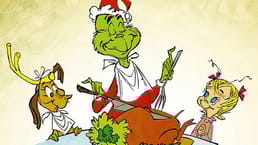
Il dottor Seuss non ha dovuto cercare lontano l’ispirazione per il suo classico libro di Natale “Come il Grinch rubò il Natale”, pubblicato nel 1957. In un’intervista a Redbook nel 1957, ne parlò.

Stavo spazzolandomi i denti la mattina del 26 dicembre scorso quando notai un’espressione molto Grinch nel riflesso. Era Seuss! Qualcosa era andato storto con il Natale, mi resi conto, o più probabilmente con me. Così scrissi la storia del mio amaro amico, il Grinch, per vedere se riuscivo a riscoprire qualcosa del Natale che evidentemente avevo perso.

Theodor Geisel, Dr. Seuss

Tuttavia, gli ci vollero tre mesi per decidere il finale di Come il Grinch rubò il Natale! (Fonte: NPR)