In 870, the Duchy of Bohemia was formed, and by 1198, it was later on renamed the Kingdom of Bohemia. Several non-hereditary kings ruled in Bohemia before earning the title of king in 1085. Bohemia was a member of the Holy Roman Empire from 1004 until 1806, and its monarch was an elector. Did you know that Bohemia had a Foreign King?
Translate: "В 870 году было образовано герцогство Богемия, а к 1198 году оно было переименовано в Королевство Богемия. Несколько нехередитарных королей правили в Богемии, прежде чем в 1085 году получить титул короля. Богемия была членом Священной Римской империи с 1004 по 1806 год, и её монарх был князем-избираемым. Знаете ли вы, что у Богемии был иностранный король? " Note: "elector" = "избираемый князь" or "избиратель". Use "избираемый". Keep non-breaking space? There's at end. Keep . Next paragraph:Czechs today sometimes refer to John of Luxembourg as the “foreigner king.” Despite spending much of his life abroad and not getting along with his Czech subjects, he supervised a successful foreign policy that enlarged Bohemia’s frontiers.
Translate: "Чехи сегодня иногда называют Иоанна Люксембургского «иностранным королём». Несмотря на то, что большую часть своей жизни он провёл за границей и не ладил со своими чешскими подданными, он руководил успешной внешней политикой, которая расширила границы Богемии." Need to preserve quotes: “ and ” are left double quotation marks. Keep them. So: as “иностранный король”. Also ’ is apostrophe. So "Богемии’". Keep. Thus: Чехи сегодня иногда называют Иоанна Люксембургского как “иностранный король”. Несмотря на то, что большую часть своей жизни он провёл за границей и не ладил со своими чешскими подданными, он руководил успешной внешней политикой, которая расширила границы Богемии’. But need to keep original punctuation. Original: "as the “foreigner king.”" Actually original: "as the “foreigner king.”" Wait: original: "as the “foreigner king.”" Let's check: It says: "as the “foreigner king.”" Actually original: "as the “foreigner king.”" The text: "as the “foreigner king.”" Let's re-read: "as the “foreigner king.”" The snippet: "as the “foreigner king.”" The original: "as the “foreigner king.”" Wait the original: "as the “foreigner king.”" Actually original line: "as the “foreigner king.”" Let's scroll: It says: "as the “foreigner king.”" The given: "as the “foreigner king.”" Yes. Thus translation: "как “иностранный король”." Keep punctuation. Now heading:Who was John of Luxembourg?
Translate: "Кто был Иоанн Люксембургский?" Keep nested strong tags. Thus:Кто был Иоанн Люксембургский?
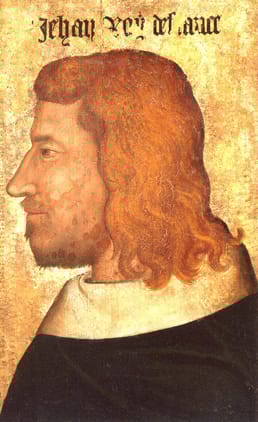
Next paragraph:John of Luxembourg, or John of Bohemia, From 1310 until his death, was King of Bohemia and one of the most famous heroic characters of his day, campaigning across Europe from Toulouse to Prussia.
Translate: "Иоанн Люксембургский, или Иоанн Богемский, с 1310 года до своей смерти был королём Богемии и одним из самых известных героических персонажей своего времени, проводя кампании по всей Европе от Тулузы до Пруссии. " Next:In 1310, he was named count of Luxembourg. He was the son of the future Holy Roman Emperor Henry VII of the family of Luxembourg. John was also named King of Bohemia about the same time, and on Feb. 7, 1311, he was officially crowned in Prague. When his father passed in 1313, John was too young to succeed as Emperor. Thus he Wait original: "In 1310, he was named count of Luxembourg. He was the son of the future Holy Roman Emperor Henry VII of the family of Luxembourg. John was also named King of Bohemia about the same time, and on Feb. 7, 1311, he was officially crowned in Prague. When his father passed in 1313, John was too young to succeed as Emperor. Thus he backed Louis the Bavarian’s nomination as Emperor Louis IV." Translate: "В 1310 году его назвали графом Люксембурга. Он был сыном будущего императора Священной Римской империи Генриха VII из семьи Люксембург. Иоанн также был назван королём Богемии примерно в то же время, и 7 февраля 1311 года он был официально коронован в Праге. Когда его отец скончался в 1313 году, Иоанну было слишком молодо, чтобы стать императором. Поэтому он поддержал кандидатуру Людовика Баварского на императора, Людовика IV." Note: Keep ’ after Bavarian: "Louis the Bavarian’s". So we need to keep that entity. So translation should include ’ after "Баварского". So: "Луи’". Actually original: "Louis the Bavarian’s nomination". So we need to keep the apostrophe entity after Bavarian. So we can write "Луи’". But better to keep same entity: "Луи’". However we need to translate name "Louis the Bavarian". In Russian: "Луи Баварский". Keep apostrophe after "Баварского". So "Луи Баварский’s". That seems odd. Better to keep original entity after the word. So: "Луи Баварский’s". But that mixes languages. Maybe keep original phrase "Louis the Bavarian’s". Since it's a name, we could keep English name but translate rest. The instruction: translate content, but proper names can stay. So keep "Louis the Bavarian’s". So translation: "Таким образом, он поддержал номинацию Луи Баварского’ как императора Людовика IV." Actually original: "Thus he backed Louis the Bavarian’s nomination as Emperor Louis IV." So we can translate: "Таким образом, он поддержал номинацию Луи Баварского’ на императора Людовика IV." Keep entity after Bavarian. Thus:
В 1310 году его назвали графом Люксембурга. Он был сыном будущего императора Священной Римской империи Генриха VII из семьи Люксембург. Иоанн также был назван королём Богемии примерно в то же время, и 7 февраля 1311 года он был официально коронован в Праге. Когда его отец скончался в 1313 году, Иоанну было слишком молодо, чтобы стать императором. Таким образом, он поддержал номинацию Луи Баварского’ на императора Людовика IV.
Next paragraph:John stood with Louis in his war against Frederick of Austria; nevertheless, he grew distant from the Emperor in later years, especially following Louis’s Hundred Years’ War alliance with England against France.
Translate: "Иоанн стоял рядом с Луи в его войне против Фридриха Австрийского; однако со временем он отдалился от императора, особенно после альянса Луи’ в Столетней войне с Англией против Франции." Need to keep entities: Louis’s, Hundred Years’ War. So translation: "Луи’". "Столетней войны’"? Actually original: "Hundred Years’ War". The apostrophe after Years. So we need to keep ’ after "Years". In Russian, we can write "Столетней войны’". So: "особенно после альянса Луи’ в Столетней войны’ с Англией против Франции." Thus:Иоанн стоял рядом с Луи в его войне против Фридриха Австрийского; однако со временем он отдалился от императора, особенно после альянса Луи’ в Столетней войны’ с Англией против Франции.
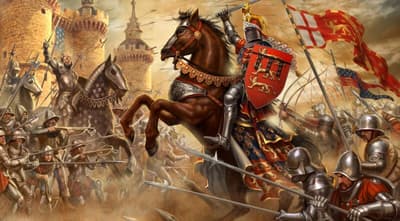
Next paragraph:He had sent his son, the future emperor Charles IV, to be educated in Paris and had fought for France on multiple occasions. John campaigned against the Lithuanians and Russians, Hungary, England, and Austria, as well as in northern Italy and the Tirol, during his reign.
Translate: "Он отправил своего сына, будущего императора Карла IV, учиться в Париже и несколько раз сражался за Францию. Иоанн в своё правление вёл кампании против литовцев и русских, Венгрии, Англии и Австрии, а также в Северной Италии и Тироле." Thus:Он отправил своего сына, будущего императора Карла IV, учиться в Париже и несколько раз сражался за Францию. Иоанн в своё правление вёл кампании против литовцев и русских, Венгрии, Англии и Австрии, а также в Северной Италии и Тироле.
Next paragraph:His extravagant spending, high taxes, and constant peregrinations, on the other hand, cost him popularity at home and bolstered the authority of the Bohemian nobles. (Source: English Radio)
Translate: "Его расточительные траты, высокие налоги и постоянные путешествия, с другой стороны, стоили ему популярности дома и укрепляли власть богемской знати. (Источник: English Radio) " Thus:Его расточительные траты, высокие налоги и постоянные путешествия, с другой стороны, стоили ему популярности дома и укрепляли власть богемской знати. (Источник: English Radio)
Next heading:How Did John Become King?
Translate: "Как Иоанн стал королём?" Keep strong. Thus:Как Иоанн стал королём?
Next paragraph:When John of Luxembourg was born in August 1296, Bohemia had been controlled by the Pemyslid dynasty for over four centuries, and there was little indication that this would change anytime soon.
Translate: "Когда Иоанн Люксембургский родился в августе 1296 года, Богемия находилась под контролем династии Пемислидов более четырёх веков, и не было никаких признаков, что это скоро изменится." Thus:Когда Иоанн Люксембургский родился в августе 1296 года, Богемия находилась под контролем династии Пемислидов более четырёх веков, и не было никаких признаков, что это скоро изменится.
Next paragraph:Pemyslid dynasty ruled, and on the other hand, was in shreds by the time John reached his tenth The sentence seems cut. We'll translate as is. Original: "Pemyslid dynasty ruled, and on the other hand, was in shreds by the time John reached his tenth year. Wenceslas II was the king of Bohemia and Moravia at the time. His son had been murdered a year before he himself died." We need to translate all. Thus:
Династия Пемислидов правила, но к тому времени, когда Иоанну исполнилось десять лет, она была в разрушающемся состоянии. Вацлав II был королём Богемии и Моравии в то время. Его сын был убит за год до того, как умер сам Вацлав.
Next paragraph:There was no surviving male successor. At the time, John, who was studying in Paris at the time, could not have Continue: "There was no surviving male successor. At the time, John, who was studying in Paris at the time, could not have predicted that he would become the king of faraway Bohemia in just four years. John was the Count of Luxembourg then, but he was also the son of Henry VII, the Holy Roman Emperor." Thus translate: "There was no surviving male successor. At the time, John, who was studying in Paris, could not have predicted that he would become the king of distant Bohemia in just four years. John was then Count of Luxembourg, but also son of Henry VII, Holy Roman Emperor." Thus:
Не было живого мужского наследника. В то время Иоанн, который учился в Париже, не мог предсказать, что всего через четыре года он станет королём далёкой Богемии. Иоанн тогда был графом Люксембурга, но также был сыном Генриха VII, императора Священной Римской империи.
Make sure to keep any etc. The last paragraph originally ends with period, no special entity. Now ensure all HTML tags are intact, no extra. Let's compile final HTML.Генри изначально был насторожен, когда к нему обратилась чешская делегация с предложением, поскольку он слышал, что предыдущий богемский король был убит, но в конце концов он согласился дать своё согласие и позволил своему сыну жениться на богемской принцессе. Джон и Элизабет поженились в Шпайере через год и стали королём Богемии. (Источник: English Radio)