The Autobahn is Germany’s federal controlled-access highway system. Bundesautobahn, which translates as the federal motorway. It is the official German term. Federal Automobile Track is the literal translation of the term Bundesautobahn. But do you know what is the recommended speed on the Autobahn?
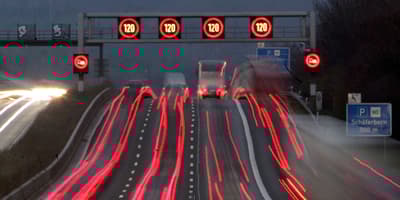
Translate: "The Autobahn is Germany’s federal controlled-access highway system. Bundesautobahn, which translates as the " -> "L'Autobahn est le système d'autoroutes à accès contrôlé fédéral de l'Allemagne. Bundesautobahn, qui se traduit par le". Then italic part "federal motorway." -> "autoroute fédérale." Then "It is the official German term." -> "C'est le terme officiel allemand." Then italic "Federal Automobile Track" -> "Piste automobile fédérale". Then "is the literal translation of the term" -> "est la traduction littérale du terme". Then italic "Bundesautobahn". Then ". But do you know what is the recommended speed on the Autobahn?" -> ". Mais savez‑vous quelle est la vitesse recommandée sur l'Autobahn ?" Keep non-breaking space? There's a trailing space. Second paragraph:While you can travel at any speed on the Autobahn when signs indicate it, the recommended speed is 130 km/h. If you are in an accident while driving at 170 km/h and it could have been avoided at a lower speed, you will automatically be blamed for the accident.
Translate: "While you can travel at any speed on the Autobahn when signs indicate it, the recommended speed is 130 km/h. If you are in an accident while driving at 170 km/h and it could have been avoided at a lower speed, you will automatically be blamed for the accident." French: "Bien que vous puissiez rouler à n'importe quelle vitesse sur l'Autobahn lorsque les panneaux l'indiquent, la vitesse recommandée est de 130 km/h. Si vous êtes impliqué dans un accident en roulant à 170 km/h et que celui‑ci aurait pu être évité à une vitesse moindre, vous serez automatiquement tenu responsable de l'accident." Third:Did Adolf Hitler Come Up with the Idea of the Speed Limit on Autobahn?
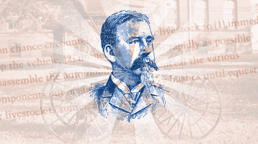
Translate: "Adolf Hitler a-t-il eu l'idée de la limitation de vitesse sur l'Autobahn ?" Keep spacing. Next paragraph: "The speed limit on the Autobahn was not Hitler’s concept. The Fuhrer is widely credited with constructing the country’s first limited-access highways, which were built to expedite the movement of military units across the country. " Translate: "La limitation de vitesse sur l'Autobahn n'était pas le concept d'Hitler. Le Führer est largement crédité d'avoir construit les premières autoroutes à accès limité du pays, qui ont été édifiées pour accélérer le déplacement des unités militaires à travers le pays." Note: keep at end. Next paragraph: "The network was built during the Third Reich, but the concept existed before that. The Avus experimental highway in Berlin was built between 1913 and 1921, while Hitler was still experimenting as a failed still-life painter. The Italians also set the pace in 1923, when they opened a section of autostrada between Milan and the lake district. (Source: Bussgeld Katalog)" Translate: "Le réseau a été construit pendant le Troisième Reich, mais le concept existait déjà auparavant. L'autoroute expérimentale Avus à Berlin a été construite entre 1913 et 1921, alors qu'Hitler expérimentait encore comme peintre de natures mortes raté. Les Italiens ont également donné le ton en 1923, lorsqu'ils ont ouvert un tronçon d'autostrada entre Milan et la région des lacs. (Source : Bussgeld Katalog)" Next heading:Is it Legal To Overtake from The Right Lane?
Translate: "Est‑il légal de dépasser depuis la voie de droite ?" Keep spacing. Paragraph: "While you can cruise at your own pace on the Autobahn, you can only overtake cars from the left. Overtaking on the right is illegal and may result in a fine. It’s fine to honk at cars in the far left lane if they’re driving slowly. Tailgating, on the other hand, is allowed, but it’s best to keep a safe distance. (Source: Bussgeld Katalog)" Translate: "Bien que vous puissiez rouler à votre propre rythme sur l'Autobahn, vous ne pouvez dépasser les voitures que par la gauche. Dépasser à droite est illégal et peut entraîner une amende. Il est acceptable de klaxonner les voitures dans la voie la plus à gauche si elles roulent lentement. Le suivi de trop près, en revanche, est autorisé, mais il vaut mieux garder une distance de sécurité. (Source : Bussgeld Katalog)" Next heading:What was the Biggest Accident that Happened on Autobahn?
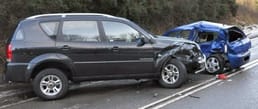
Translate: "Quel a été le plus gros accident sur l'Autobahn ?" (no extra space) Paragraph: "Tailgating does not give cars enough space to stop and can be extremely dangerous in an emergency. The largest accident on the Autobahn involved 259 cars. With about 73 collisions in that particular incident." Translate: "Suivre de trop près ne laisse pas aux voitures assez d'espace pour s'arrêter et peut être extrêmement dangereux en cas d'urgence. Le plus grand accident sur l'Autobahn a impliqué 259 voitures, avec environ 73 collisions lors de cet incident." Next paragraph: "To clear the mess and help everyone involved, 50 ambulances, 400 firefighters, and three helicopters were needed. Even though over 80 people were injured, it was very fortunate that no one died in that accident. (Source: Bussgeld Katalog)" Translate: "Pour dégager le chaos et aider toutes les personnes impliquées, 50 ambulances, 400 pompiers et trois hélicoptères ont été nécessaires. Bien que plus de 80 personnes aient été blessées, il a été très chanceux que personne ne soit mort dans cet accident. (Source : Bussgeld Katalog)" Now ensure HTML tags unchanged:, etc. Keep them.
We need to keep the same structure. Replace text inside tags.
Let's construct final HTML.
First with many spans and i tags. Keep same nesting.
Original first :
The Autobahn is Germany’s federal controlled-access highway system. Bundesautobahn, which translates as the federal motorway. It is the official German term. Federal Automobile Track is the literal translation of the term Bundesautobahn. But do you know what is the recommended speed on the Autobahn? L'Autobahn est le système d'autoroutes à accès contrôlé fédéral de l'Allemagne. Bundesautobahn, qui se traduit par le autoroute fédérale. C'est le terme officiel allemand. Piste automobile fédérale est la traduction littérale du terme Bundesautobahn. Mais savez‑vous quelle est la vitesse recommandée sur l'Autobahn ? While you can travel at any speed on the Autobahn when signs indicate it, the recommended speed is 130 km/h. If you are in an accident while driving at 170 km/h and it could have been avoided at a lower speed, you will automatically be blamed for the accident. Bien que vous puissiez rouler à n'importe quelle vitesse sur l'Autobahn lorsque les panneaux l'indiquent, la vitesse recommandée est de 130 km/h. Si vous êtes impliqué dans un accident en roulant à 170 km/h et que celui‑ci aurait pu être évité à une vitesse moindre, vous serez automatiquement tenu responsable de l'accident. The speed limit on the Autobahn was not Hitler’s concept. The Fuhrer is widely credited with constructing the country’s first limited-access highways, which were built to expedite the movement of military units across the country. La limitation de vitesse sur l'Autobahn n'était pas le concept d'Hitler. Le Führer est largement crédité d'avoir construit les premières autoroutes à accès limité du pays, qui ont été édifiées pour accélérer le déplacement des unités militaires à travers le pays. The network was built during the Third Reich, but the concept existed before that. The Avus experimental highway in Berlin was built between 1913 and 1921, while Hitler was still experimenting as a failed still-life painter. The Italians also set the pace in 1923, when they opened a section of autostrada between Milan and the lake district. (Source: Bussgeld Katalog) Le réseau a été construit pendant le Troisième Reich, mais le concept existait déjà auparavant. L'autoroute expérimentale Avus à Berlin a été construite entre 1913 et 1921, alors qu'Hitler expérimentait encore comme peintre de natures mortes raté. Les Italiens ont également donné le ton en 1923, lorsqu'ils ont ouvert un tronçon d'autostrada entre Milan et la région des lacs. (Source : Bussgeld Katalog) While you can cruise at your own pace on the Autobahn, you can only overtake cars from the left. Overtaking on the right is illegal and may result in a fine. It’s fine to honk at cars in the far left lane if they’re driving slowly. Tailgating, on the other hand, is allowed, but it’s best to keep a safe distance. (Source: Bussgeld Katalog) Bien que vous puissiez rouler à votre propre rythme sur l'Autobahn, vous ne pouvez dépasser les voitures que par la gauche. Dépasser à droite est illégal et peut entraîner une amende. Il est acceptable de klaxonner les voitures dans la voie la plus à gauche si elles roulent lentement. Le suivi de trop près, en revanche, est autorisé, mais il vaut mieux garder une distance de sécurité. (Source : Bussgeld Katalog) Tailgating does not give cars enough space to stop and can be extremely dangerous in an emergency. The largest accident on the Autobahn involved 259 cars. With about 73 collisions in that particular incident. Suivre de trop près ne laisse pas aux voitures assez d'espace pour s'arrêter et peut être extrêmement dangereux en cas d'urgence. Le plus grand accident sur l'Autobahn a impliqué 259 voitures, avec environ 73 collisions lors de cet incident. To clear the mess and help everyone involved, 50 ambulances, 400 firefighters, and three helicopters were needed. Even though over 80 people were injured, it was very fortunate that no one died in that accident. (Source: Bussgeld Katalog) Pour dégager le chaos et aider toutes les personnes impliquées, 50 ambulances, 400 pompiers et trois hélicoptères ont été nécessaires. Bien que plus de 80 personnes aient été blessées, il a été très chanceux que personne ne soit mort dans cet accident. (Source : Bussgeld Katalog) Le code de la route allemand exige que vous gardiez du carburant dans votre voiture en permanence. Tomber à court de carburant peut entraîner des problèmes juridiques. Pour garantir qu'il n'y ait jamais de pénurie, les stations-service sont régulièrement espacées le long de l'autobahn, assurant que vous puissiez toujours en trouver une quand vous en avez besoin. (Source : Bussgeld Katalog) Le tronçon le plus long de route sans limitation de vitesse entre Hambourg et Berlin mesure 150 kilomètres. Une distance légèrement supérieure à 230 kilomètres peut être parcourue en 2 heures. Si vous avez une voiture plus rapide, vous pourriez mettre encore moins de temps. (Source : Bussgeld Katalog) Les Autobahns allemandes sont les plus sûres du monde, avec 2,2 décès par milliard de kilomètres parcourus. Malgré leur sécurité exceptionnelle et leur bilan impeccable, des téléphones d'urgence sont installés tous les 2 kilomètres sur l'Autobahn. De plus, vous pouvez communiquer avec l'opérateur en anglais et demander de l'aide en cas d'urgence. (Source : Bussgeld Katalog)Did Adolf Hitler Come Up with the Idea of the Speed Limit on Autobahn?
Translate:
Adolf Hitler a-t-il eu l'idée de la limitation de vitesse sur l'Autobahn ?
Note: remove extra space before closing strong? Keep a space? We'll keep a non-breaking space maybe. Use ? Original had a space before . We'll just keep a space after ?. Might not matter.
Paragraph after heading:
Is it Legal To Overtake from The Right Lane?
Translate:
Est‑il légal de dépasser depuis la voie de droite ?
Paragraph:
What was the Biggest Accident that Happened on Autobahn?
Translate:
Quel a été le plus gros accident sur l'Autobahn ?
Paragraph:
Est-il illégal de tomber en panne d'essence sur l'Autobahn ?
Quel est le tronçon le plus long de l'Autobahn ?
Existe-t-il des téléphones d'urgence sur l'Autobahn ?