
-

-

-
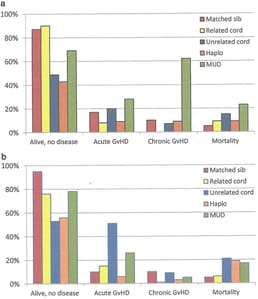 Health & Body In 1984 an 8 year old girl with sickle cell disease developed acute myeloid leukemia. To treat the cancer, the doctors gave her chemo and a stem cell transplant from her sibling. Not only did this cure her cancer, but it cured her SCD too. She remains disease free nearly three decades later. June 17, 2019👍
 -
-

-

-
-
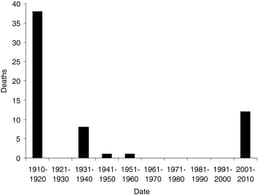 Health & Body During WWII, Russian soldiers took "heat pills" that kept them warm in the winter; however, they would also lose weight despite eating well. 2,4-dinitrophenol spikes metabolic rate as potential energy is lost as heat-it is banned as a weight loss aid (U.S.) as overdose can cook people to death. May 20, 2019👍
 -
 Health & Body A key symptom of depression is anhedonia, typically defined as the loss of ability to experience pleasure. It is a core feature of depression, but it is also one of the most treatment-resistant symptoms. Using ketomine, researchers found over-activity in the brain blunting reward seeking May 19, 2019👍
 -
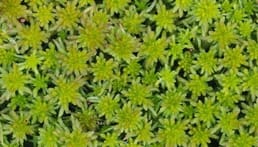 Health & Body During WWI, cotton was in high demand for the manufacture of uniforms and explosives. For bandages, doctors turned to using sphagnum moss. It can hold up to 22 times its own weight in liquid -- twice as absorptive as cotton. The moss is also antiseptic, making the surrounding environment acidic May 2, 2019👍
 -

-
-

-
-

-
-
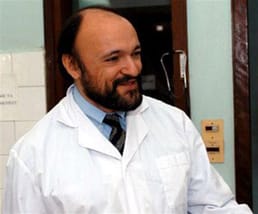 Health & Body Dr. Carlo Urbani recognized the emergence of a outbreak of pneumonia as a new epidemic and immediately notified the WHO, personally flying to Hanoi to investigate. He would die this day in 2003 of SARS, having triggered the most effective response to an epidemic in history. March 30, 2019👍
 -

-

-