In 1944, Grape Nuts manufacturer General Foods launched a campaign called Eat a Good Breakfast, Do a Better Job. Grocery stores handed out pamphlets that promoted breakfast, and radio advertisements announced that nutrition experts called breakfast the most important meal of the day [4]. The slogan had commercial roots. Cereal makers had spent decades normalizing a morning bowl of cereal, and the phrase served companies selling breakfast products [1][3].
Food historian Caroline Yeldham has said the Romans believed it was healthier to eat only one meal a day. Abigail Carroll writes in The Invention of the American Meal that many Native Americans ate bits of food throughout the day and sometimes fasted for days. Medieval Europeans variously treated breakfast as a luxury, a laborer's necessity, or a meal mostly skipped, and American colonists often ate after hours of morning work [4]. Breakfast became a daily, first-thing-in-the-morning institution once workers moved to cities and kept set schedules, a shift that began in Europe in the 1600s and spread during the Industrial Revolution [4].
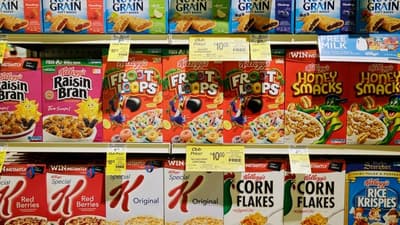
John Harvey Kellogg ran a sanitarium in Battle Creek, Michigan, in the late 1800s and promoted grain-based foods as healthy living. He created corn flakes in the 1890s, and James Caleb Jackson invented granola in 1863 [1]. Kellogg's brother, Will Keith Kellogg, turned those ideas into a breakfast cereal company [2]. The commercial cereal industry effectively invented the cultural ritual of cereal and milk as the default morning meal [1]. Advertising campaigns in the 1940s and 1950s used nutrition and energy language to position cereal as a daily necessity, sometimes featuring doctors [2].
A 2019 review in The BMJ examined 13 randomized controlled trials and found that people who ate breakfast did not consistently lose more weight than people who skipped it. In some cases, breakfast eaters consumed more total calories during the day [2][3]. The 2019 BIDS trial randomized 309 participants to eat or skip breakfast for six weeks. The breakfast group did not lose more weight, the fasting group lost modestly more, and the breakfast group consumed more daily calories [1]. A 2014 JAMA Internal Medicine study randomized 309 overweight or obese adults to skip breakfast, eat breakfast, or receive diet advice with no breakfast instruction. After 16 weeks, it found no significant weight difference between breakfast eaters and skippers [1].
A 2020 study in the American Journal of Clinical Nutrition found that skipping breakfast reduced total calorie intake by about 260 calories per day without significantly increasing hunger in overweight adults [1]. The idea that skipping breakfast sends the body into starvation mode and slows calorie burn has also been challenged [3]. For healthy adults, the evidence does not support a single rule that applies to everyone [3].
A 2013 trial at the University of Missouri found that overweight female adolescents who ate a 35 gram protein breakfast had reduced appetite and cravings throughout the day, lower ghrelin levels, and ate 400 fewer calories at dinner than those who skipped breakfast or ate a normal protein breakfast [1]. Children and teenagers may genuinely benefit from consistent morning nutrition [3]. The benefit depends on what the meal contains and who is eating it, not on a universal slogan [1][3].
Cereal companies funded meal timing research, and the advice entered school programs and government dietary guidance [2]. Breakfast is a multibillion-dollar category of cereals, yogurts, granola bars, and breakfast sandwiches, which gives the food industry a strong reason to keep the message alive [3]. Some people feel sharper and more energetic after an early meal, while others do better eating later in the day [3]. The 1944 campaign helped make a commercial slogan sound like settled science, and the controlled evidence has been more mixed than the slogan suggests [1][4].