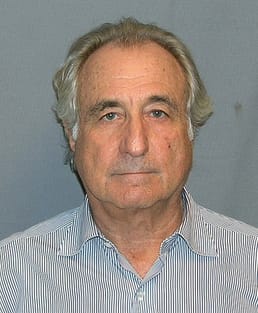

When news broke in December 2008 that Bernie Madoff had been running the largest Ponzi scheme in history, the financial world didn't just shudder—it felt as if it were collapsing. For thousands of investors, the realization wasn't merely about vanishing digits on a screen; it was about the disintegration of lives. Retirement funds evaporated. Charities found their endowments gutted. Families who had spent decades building a safety net suddenly found themselves standing on nothing but air.
In the aftermath of a fraud of this magnitude, there is a standard expectation. When a black hole opens in the financial system, you don't expect to get much back. The prevailing wisdom in white-collar crime is that once money is laundered, spent, or hidden in offshore accounts, it stays gone. In massive scandals, the "recovery rate" is usually a rounding error—a few cents on the dollar that serves as a bitter consolation prize for a lifetime of work.
But then, something happened that defied the logic of financial catastrophe. A milestone was reached that most experts thought was mathematically impossible.
The Impossible Math of Recovery
For years, the Madoff Victim Fund (MVF) has been engaged in a relentless, forensic hunt for what remained of the stolen billions. It is a task akin to reconstructing a shattered vase using only the dust left on the floor. It requires navigating complex international laws, tracking convoluted money trails, and fighting through the wreckage of a global financial crisis.
Yet, the data tells a story that contradicts our assumptions about massive fraud. The MVF recently announced a milestone that sounds more like a miracle than a financial report: they have brought recoveries for more than 30,000 Madoff victims to slightly over 80%[1].
Think about that number. In a world where systemic fraud usually leaves victims with nothing but memories, these people are seeing more than four-fifths of their losses returned. It isn't just a successful recovery; it is an anomaly. In the history of financial crime, a recovery rate of this scale is almost unheard of[1].
A Mission in the Midst of Chaos
The achievement is made even more striking by the timing. The MVF did not achieve this during a period of economic stability or calm regulatory oversight. They did it while the world was reeling from a global pandemic. This sixth distribution of funds was organized and executed in the shadow of COVID-19, a period when the very infrastructure of global banking and distribution was under unprecedented strain[1].
The scale of the operation is staggering. This isn't just a recovery of funds for a handful of wealthy hedge fund managers; it reaches across a massive spectrum of humanity. It serves over 30,000 individual victims who, in many cases, believed they would never see another cent of the money they had entrusted to Madoff[1].
The work of the MVF serves as a reminder that while fraud can destroy lives, restitution is a marathon, not a sprint. It is a grueling, meticulous effort to claw back dignity from the jaws of a scheme designed to be permanent. By delivering these checks during a season of "traditional joy and glad tidings," the fund has provided a rare moment of light in a decade defined by financial darkness[1].
The Legacy of the Hunt
What does this 80% figure mean for the future of financial justice? It challenges the cynicism that usually follows a major scandal. It suggests that with enough persistence, forensic rigor, and institutional willpower, the "impossible" recovery is actually possible.
The Madoff case will always be remembered as a cautionary tale of greed and systemic failure. But as the MVF continues its mission, a second story is being written—one of resilience, meticulous reconstruction, and a mathematical defiance that has turned one of the greatest financial tragedies in history into a landmark study in restitution.
Sources
- Madoff Victim Fund. https://www.madoffvictimfund.com/