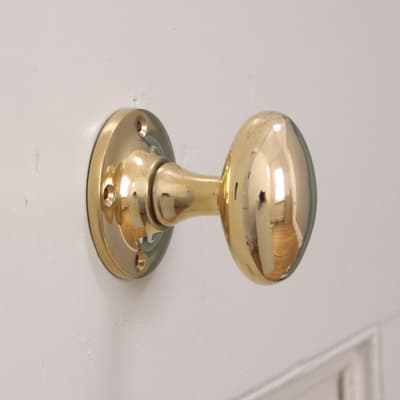
Unlacquered brass was once the standard metal for high-touch surfaces such as doorknobs, push plates and handrails, and copper alloys are the reason [1]. Brass is a copper and zinc alloy, and the copper in it releases ions that disrupt and kill bacteria and viruses [3]. A brass fitting therefore works as an antimicrobial surface with no coating or cleaning agent applied to it.
Carl Nägeli observed the effect in the modern era but did not identify its cause [1]. The phenomenon took the name oligodynamic effect, from the Greek oligos, meaning few, and dynamis, meaning force, because it works at low concentrations of metal ions [1]. Egyptians and Greeks stored water in copper and used the metal on wounds long before anyone understood germs [2]. Later research traced the antimicrobial behavior to metal ions that bacteria absorb on contact, which then damage their cell membranes [1].
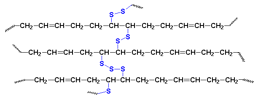
Metal ions attack proteins at thiol and amine groups, a mode of action to which microorganisms may develop resistance [1]. That resistance can pass between organisms on plasmids [1]. Silver, mercury and other heavy metals show the effect as well, though copper and its alloys are the ones used on surfaces people touch [2]. The chemistry is not one lethal step but a sequence of reactions that begins once a microbe settles on the metal.
On a brass surface, copper ions first breach the outer membrane, and the cell loses nutrients and water through the gaps [2]. Inside, the ions generate reactive oxygen species that damage internal components, and they bind to DNA and RNA so the cell cannot reproduce [2]. The microbe is left unable to function or copy itself [2].
Laboratory testing found that more than 99 percent of germs on copper and brass surfaces were gone within two hours [3]. Within eight hours, 100 percent of previously detectable microbes were eliminated [3]. The organisms cleared include MRSA and ordinary staph, VRE and E. coli [3]. Under ideal conditions a single bacterium can double every 20 minutes, so the margin between cleanings is short [3].
Viruses can stay viable on stainless steel and plastic for up to 72 hours, while the same microbes are often inactivated on copper within a few hours [2]. Copper also destroys influenza viruses, noroviruses and HIV [1]. Stainless steel remains a common choice for door hardware and fixtures despite that gap [2].
Brass vessels used to store drinking water kill fecal bacteria by releasing copper ions into the water [1]. Copper sulfate serves as an algicide in reservoirs, stock ponds, swimming pools and fish tanks [1]. Copper 8-hydroxyquinoline goes into paint to prevent mildew, and copper paint on boat hulls discourages barnacles [1].
Lacquer blocks the antimicrobial action, so a brass doorknob has to keep its natural finish to work [3]. Unlacquered brass tarnishes and discolors over time, but it contains no iron, so it does not rust and can be polished back [3].