At Keflavik airport, an Icelandic horse can leave for Sweden, Denmark, Belgium, the United States, or Canada.[1] What no owner can buy for that horse is a return ticket. It may have been born in an Icelandic pasture and trained on Icelandic ground. Once it leaves the island, Iceland does not allow it back.[2]
The rule sounds, at first, like a national quirk. It is stricter than quarantine, stricter than paperwork, stricter than a champion’s pedigree. Icelandic law prevents foreign-born horses from being imported, and exported Icelandic horses are not permitted to return.[2] The point is not to punish the horse. The point is to protect the horses that remain.
A horse owner leaving Iceland faces that rule as a practical decision. Take the animal abroad, and the move is permanent. Leave it behind, and the horse stays inside a population that has been kept unusually separate from the rest of the equine world.[1]
The One-Way Door
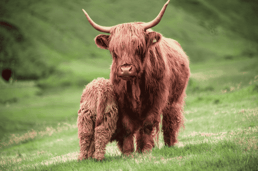
Norse settlers brought the ancestors of the Icelandic horse to the island in the 9th and 10th centuries.[2] Over many generations, the breed developed in a harsh climate and became known for sturdiness, hardiness, and long life.[2] The horses can be small enough to look pony-sized, but Icelandic registries still call them horses.[2]
The island also sheltered them. In Iceland, the horses have relatively few afflictions or diseases, and that advantage creates a risk of its own.[2] A horse returning from foreign stables, competitions, breeding farms, or transport routes could bring pathogens into a population with limited exposure to them.
The older version of the protection is traced to Iceland’s Althing, which is said to have passed a law in 982 AD preventing the importation of other horse breeds to the island.[1] The modern rule keeps the same hard edge: outside horses do not come in, and Icelandic horses that have been outside do not come back.[2]
What Iceland Is Protecting
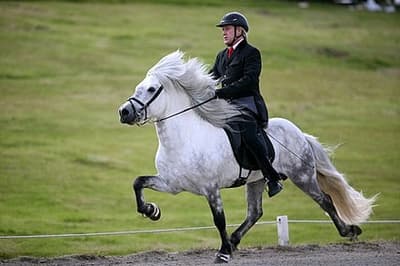
On Icelandic ground, the breed is still used for traditional sheepherding, as well as leisure riding, showing, and racing.[2] Many Icelandic horses can also perform the tölt, a smooth ambling gait, and some can do the flying pace, in addition to the walk, trot, and canter or gallop common to other breeds.[2]
Those qualities made the horse popular abroad. Sizable Icelandic horse populations now exist in Europe and North America, far from the landscape that shaped the breed.[2] Export is allowed. Return is not. The same animal that carries Iceland’s name into foreign arenas is treated, after departure, as a possible route for disease back into Iceland.
Even the small objects around a horse can matter. Riding gear and equipment used outside Iceland may be regulated because it can carry pathogens from other horse environments.[3] A saddle, a bridle, or a pair of boots is not only equipment in that system. It is something that may have touched another stable, another animal, another country.
So the one-way rule is less a romance about purity than a permanent border drawn around risk. Iceland does not ask whether a returning horse looks healthy, whether it once belonged there, or whether it is valuable. Exposure is enough.
Somewhere in Europe or North America, an Icelandic horse may still move in the smooth rhythm of the tölt, carrying its rider across foreign ground.[3] It remains Icelandic in body, gait, and name. Across the ocean, the gate behind it stays closed.