On Thursday, June 1, 1978, the First Presidency and ten members of the Quorum of the Twelve Apostles met in an upper room of the Salt Lake Temple for the monthly fast and testimony meeting. Two apostles were absent, one in South America and one in a hospital. After testimonies and the sacrament, the members of the First Quorum of the Seventy and the Presiding Bishopric were excused, leaving the prophet and his brethren alone [1]. A church lesson manual identifies that room and that date as the setting of a definitive revelation on priesthood ordination [5].
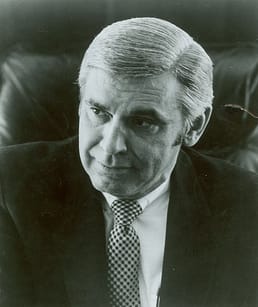
Church presidents had raised the question of extending the priesthood to black members repeatedly over a period of years, and it had become a particular concern to Spencer W. Kimball [1]. Edward L. Kimball, writing in BYU Studies, called the resulting announcement the most dramatic moment of the Kimball administration and probably the highlight of twentieth-century church history [4]. Kimball had spent many hours alone in that upper room, praying and meditating over what the account calls a serious and difficult question [1].
Kimball put the question to his counselors and the apostles, and the group knelt in prayer with Kimball as voice [1]. David B. Haight, then the junior member of the Twelve, recalled an outpouring of the Spirit so strong that none of the men could speak afterward and they left quietly to return to their offices [1]. Gordon B. Hinckley described the sense of a conduit opening between the heavenly throne and the kneeling prophet, followed by an assurance that the time had come and that the blessings of the priesthood should go to worthy men everywhere regardless of lineage [1].
The restriction that ended that day dated to 1852, when the church stopped ordaining black men and barred black women and men from temple ordinances [2]. A small number of black men had been ordained earlier, including Walker Lewis, an elder ordained in Massachusetts in 1843 or 1844, and Elijah Abel, a seventy who remained active in Utah after other ordinations ceased [4]. The policy turned on presumed lineage rather than skin color, and black members from Polynesia or Australia faced no such limits [4].
In the early 1960s the Salt Lake chapter of the NAACP threatened to picket General Conference unless church leaders made a positive statement on civil rights, and Stanford and then other universities announced they would no longer compete with Brigham Young University in intercollegiate athletics [6]. Greg Prince, a historian interviewed by PBS, also pointed to the long-standing injunction to take the gospel to all the world, which carried no exception for black Africa, as a weight on Kimball [6].
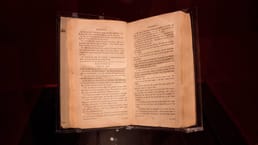
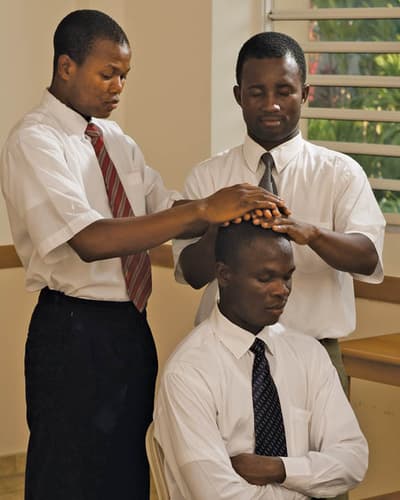
The First Presidency issued the change as Official Declaration 2, now published in the Doctrine and Covenants [3]. Members greeted the news with celebration and enthusiasm [1]. Prince, then serving as an elders quorum president, ordained a black man in his quorum a few weeks after the announcement and described the feeling that things were right in the world where they had not been before [6].
Within a generation, congregations with black bishops and stake presidents existed in places Prince said the church could not have dreamed of fifty years earlier [6]. The church has since disavowed the explanations previously offered for the ban [2].