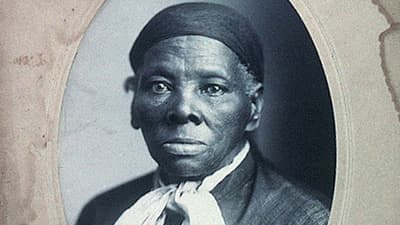
In a store on Maryland’s Eastern Shore, an enslaved girl named Araminta Ross stood in a doorway while a man tried to run. A farmer named Barrett had followed him there and ordered people nearby to help tie him up. When the man bolted, Barrett grabbed a two-pound weight and threw it. The weight missed him and struck the girl in the head.[1]
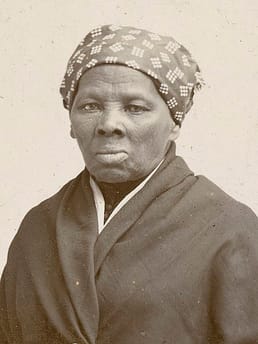
Harriet Tubman lived for decades with sudden “sleeping spells,” headaches, and visions after a severe childhood head injury. Tubman understood those visions as messages from God, while modern physicians have argued the pattern may also fit post-traumatic narcolepsy.
The girl was still called Minty then. She had been born enslaved as Araminta Ross, probably sometime between 1819 and 1823.[3] After the blow, her mother nursed her for months, and later accounts describe an injury so serious that it was unclear whether she would survive. Because she was enslaved, she was not examined by a doctor.[1]
She survived, but the injury did not end when the wound closed. Tubman later suffered sudden episodes she called “sleeping spells,” along with severe headaches, a scar, and a drooping left eye.[1] The spells could overtake her without warning. One popular historical summary describes her as suddenly falling asleep and being difficult to wake.[3]
The Visions She Trusted
During these episodes, Tubman reported vivid dreams and visions, which she understood as signs from God.[3] People around her also treated the experiences as evidence of her religious devotion. A 2023 medical history review in the Journal of General Internal Medicine describes those sleep attacks and visions as well documented in historical accounts, then offers a modern parallel explanation: hypersomnia most consistent with post-traumatic narcolepsy.[2]
The medical language cannot replace Tubman’s own religious understanding of her life. It also cannot diagnose her with certainty from nearly two centuries away. The same review notes that her symptoms have often been attributed to temporal lobe epilepsy, while its authors argue that post-traumatic narcolepsy better fits the pattern of sudden sleep attacks and dreamlike hallucinations.[2] What remains clear in the sources is the combination: a severe head injury, lifelong spells, and a woman who believed God was speaking through what she saw.[1][3]
In 1849, Tubman escaped slavery and reached Pennsylvania, a free state.[3] Then she went back. Again and again, she returned south to guide family members, friends, and other enslaved people toward freedom through the Underground Railroad. The Harriet Tubman Byway account cited by Grunge credits her with helping about 70 people escape directly, while other traditional summaries give larger counts for people she guided or instructed.[1][3]
Walking North With a Wounded Brain
The routes demanded nerve and planning. Tubman traveled on foot, used disguises, relied on secret routes and safe houses, and often moved in winter to reduce the chance of being seen.[3] According to the Byway account cited by Grunge, she returned to the South at least 13 times, all while living with the unpredictable aftermath of the head injury.[1]
Her reputation produced the nickname “Moses,” a name tied to leading people out of bondage.[3] During the Civil War, she also served the Union as a nurse, cook, scout, and spy, and later became active in suffrage and civil rights causes.[2][3] The head wound did not create Harriet Tubman’s courage. It became part of the body that had to carry it.
The old claim can sound too neat if the injury is made to explain the whole life. The stronger image is harder and more human: Tubman struck down as a girl by an iron weight, waking for years into visions she believed were divine, then stepping back onto dark roads to lead other people north.