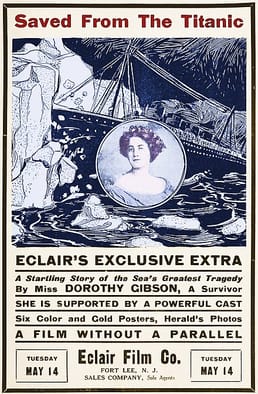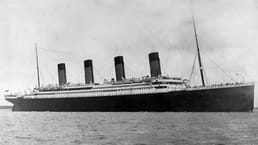
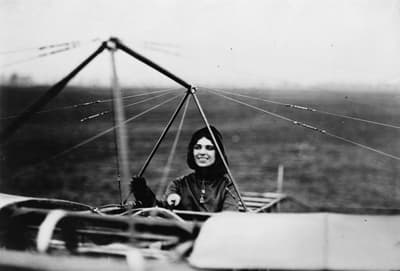
Harriet Quimby pulled off one of the boldest feats of the early aviation age, and history almost shrugged. On 16 April 1912, she became the first woman to fly solo across the English Channel, just one day after the Titanic sank, which meant a spectacular act of courage vanished beneath a spectacular disaster.[1][2]
Quimby was not some accidental daredevil. She was already a successful journalist and screenwriter who understood modern fame before most institutions did.[3][4] She wrote for Leslie's Illustrated Weekly, covered aviation when airplanes still looked to many people like elegant death traps, and persuaded her editor to help fund her flying lessons so she could report from inside the story.[3]
In August 1911, Quimby became the first American woman to earn a pilot's license, certificate No. 37.[3][4] She also became known for a violet satin flying suit that looked half practical gear, half personal manifesto.[3] She understood something essential: if the world is going to stare at a woman doing something new, give it an image it cannot forget.
Then came the Channel. Flying a Blériot monoplane from Dover to France, Quimby navigated through heavy cloud with little more than a watch, a hand-held compass, and, according to Dover historians quoted by the BBC, a hot water bottle strapped to her middle for warmth.[1][2] She landed safely after about an hour in the air and made aviation history.[1][4]
And almost nobody noticed the way they should have.
The newspapers did report the feat, but the Titanic had sunk the previous day, swallowing front pages and public attention whole.[1][2] Quimby had achieved the kind of first that usually becomes legend. Instead, she became a footnote to a catastrophe she had nothing to do with.
There is an extra sting to that outcome because Quimby did not have much time left to reclaim the spotlight. Less than three months later, she was killed during an aviation meet near Boston when she and her passenger fell from her aircraft.[4] Early flight was that dangerous, and Quimby knew it. The era made celebrities fast and buried them fast, too.
That is what makes the story linger. Quimby did everything right. She built the skill, earned the credentials, understood publicity, and delivered the breakthrough. She still lost the race against a bigger headline. History remembers what happened, but it also remembers what people had room to notice.[1][3][4]